Holographic fan displays: how 3D hologram fans work and where floating visuals sell
Naked-eye 3D hologram fans put a product, a character or a logo in mid-air. How they work, what sizes and specifications matter, content rules and the retail and event settings where they pay off.
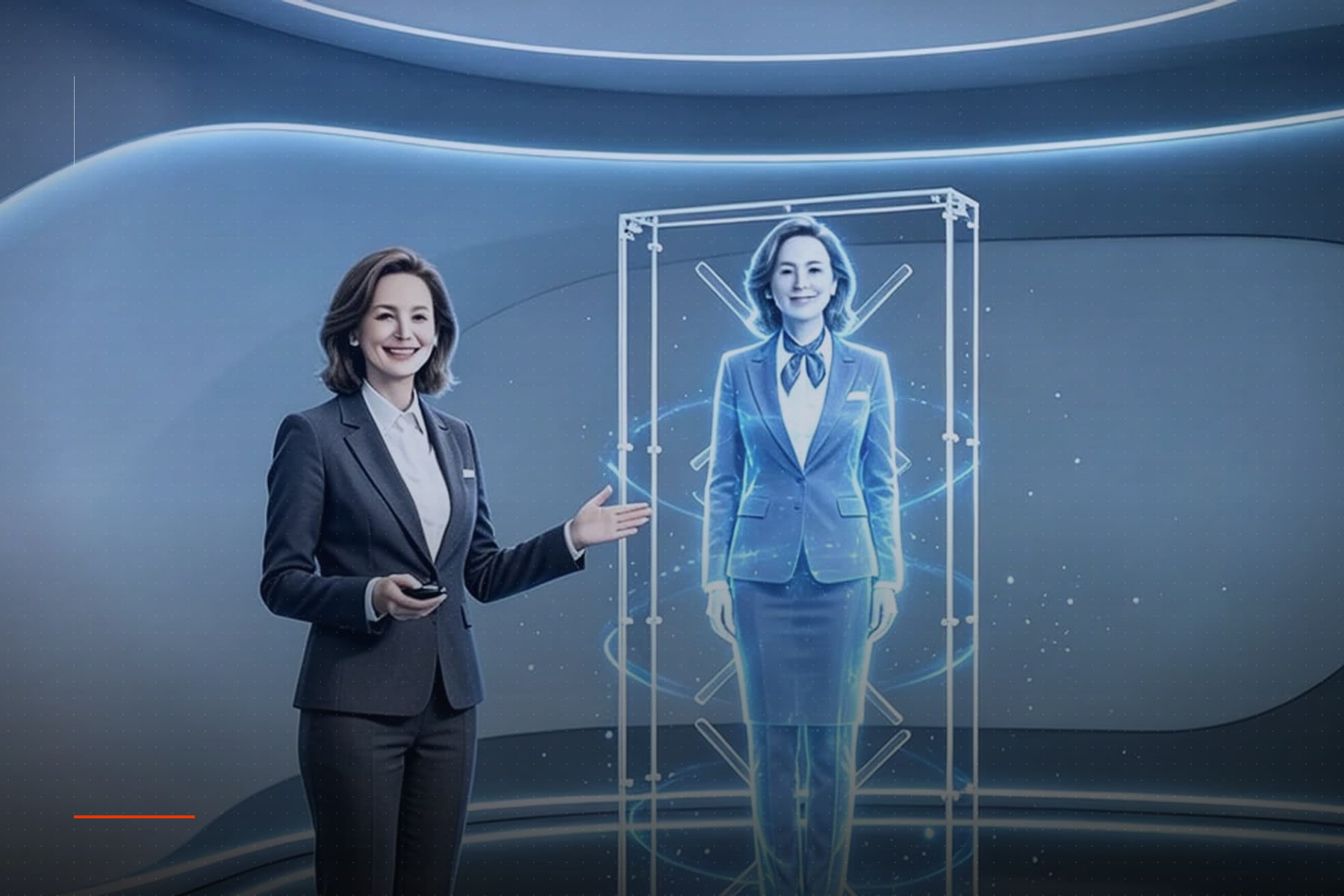
A holographic fan display — also called a 3D hologram fan or holographic LED fan — creates the illusion of an object floating in the air with no visible screen. It is one of the most cost-effective ways to stop foot traffic in a shop window, an exhibition stand or a hotel lobby, and one of the easiest display technologies to deploy badly. This guide explains how hologram fans work, the sizes and specifications that matter, how units tile into holographic walls, the content rules that make the effect land, and where floating visuals actually earn their place.
How a hologram fan works
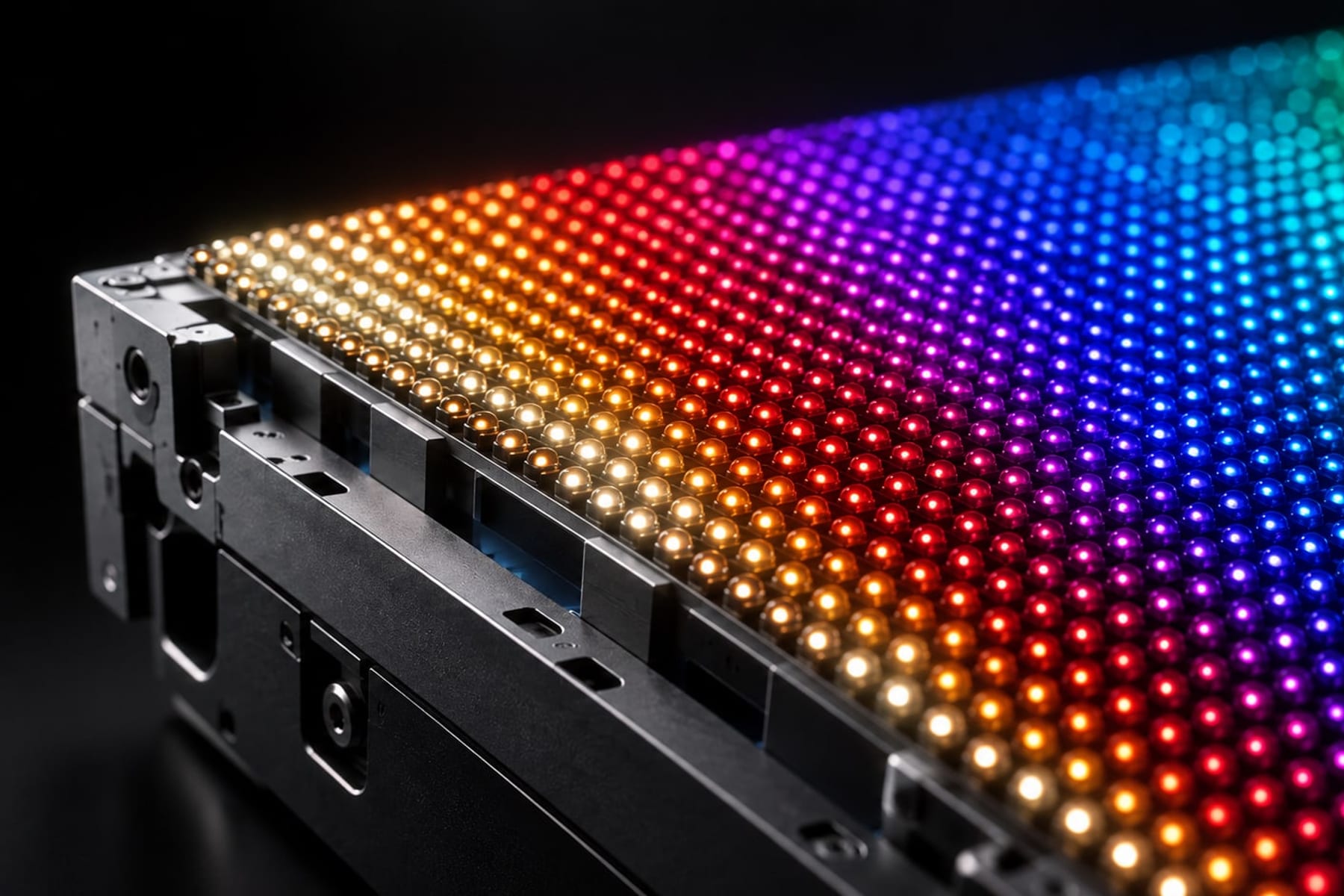
Blades carrying dense strips of RGB LEDs spin at high speed. Persistence of vision fuses the light into a full-colour image, and because the background is simply air, dark pixels disappear — the object seems to float. Units run from 42 cm desktop fans with 224 LEDs to 280 cm outdoor displays with more than 12,000 LEDs, 16 blades and 4,000 nits. Content is uploaded over Wi-Fi or the cloud, scheduled from an app, or fed live over HDMI on real-time models.
Sizes and what they are for
- 0142–50 cm: counters, shelves and reception desks, viewed from 1–3 m.
- 0265–80 cm: shop windows, exhibition stands and bars, viewed from 3–8 m.
- 03100–150 cm: atriums, showrooms and stage sets, viewed from 5–15 m.
- 04280 cm outdoor: malls, parks and façades with IP65 protection and 4,000 nits.
Holographic video walls
Multiple fans synchronise over one controller and tile into arrays — 1×3, 2×2 and larger — so a single object can span several units or a continuous scene can run across a wall. Splicing turns a novelty into a large-format display with the same floating effect, at a fraction of the cost of a transparent LED screen of the same size.
A hologram is a magnet for attention. Give it one thing to say.
Content rules for hologram fans
- 01Black background, always: anything dark is transparent, so the object must be bright and the field must be black.
- 02One hero object, centred, with slow rotation — the eye reads depth from motion.
- 03High contrast and saturated colour; avoid fine text below 5% of the diameter.
- 04Loops of 8–15 seconds for passing traffic; longer sequences for seated audiences.
- 05Author in 3D or use 2D product cut-outs with a subtle drop shadow to suggest volume.
Where floating visuals work
Shop windows, exhibition stands, product launches, hotel lobbies, bars, museums and stage design — anywhere people pause for a moment. The effect struggles in bright daylight below 3,000 nits and in wide, fast corridors where the visual has no time to land. For outdoor use choose the IP65 large-format units and position them in shade or against a dark backdrop.
Specifying a holographic display
- 01Diameter to viewing distance: 65 cm reads at 3–8 m; 100 cm and above for atriums.
- 02LED count and brightness: more LEDs give finer images; 2,600–4,000 nits for daylight.
- 03Protective acrylic cover wherever hands can reach the blades, plus a floor stand or cabinet.
- 04Wi-Fi or cloud scheduling for fleets; HDMI real-time input for interactive or live shows.
- 05Splicing controller if more than one unit must play as a wall; onboard memory for offline playback.
Safety and maintenance
A fan is a moving machine. In public spaces mount units above reach or behind an acrylic cover, secure them to a wall or stand rated for the unit weight, and clean the blades on a schedule — dust reduces brightness noticeably. Anti-pinch and low-noise motors are worth specifying for retail interiors.
Frequently asked questions
How does a 3D hologram fan create a floating image?
LED strips on spinning blades draw the image; persistence of vision fuses it and the black background disappears against the air behind the fan, so the object appears to float.
What size hologram fan do I need for a shop window?
A 65–80 cm unit suits most windows viewed from 3–8 m; use 100 cm or a spliced wall for large atriums.
Can hologram fans be used outdoors?
Yes, with large-format IP65 models rated at 4,000 nits, positioned in shade or against a dark backdrop for best contrast.
What content format do hologram fans use?
MP4 video with a pure black background, typically at the unit’s native resolution; several models accept live HDMI input for real-time content.