


The Small Number That Shapes the Whole Project
Pixel pitch is one of the first technical terms discussed in an LED display project. It refers to the distance between the centers of two neighboring pixels, usually measured in millimeters.
A smaller pixel pitch means the pixels sit closer together, creating a sharper image at shorter viewing distances. A larger pixel pitch can be more efficient for screens viewed from farther away.
What Pixel Pitch Really Changes
Pixel pitch affects image clarity, required resolution, cabinet planning, content production, viewing comfort, and project budget. Choosing the smallest possible number is not always the best answer.
The right pitch is the one that matches how the audience will actually experience the screen.
The Viewing Distance Rule
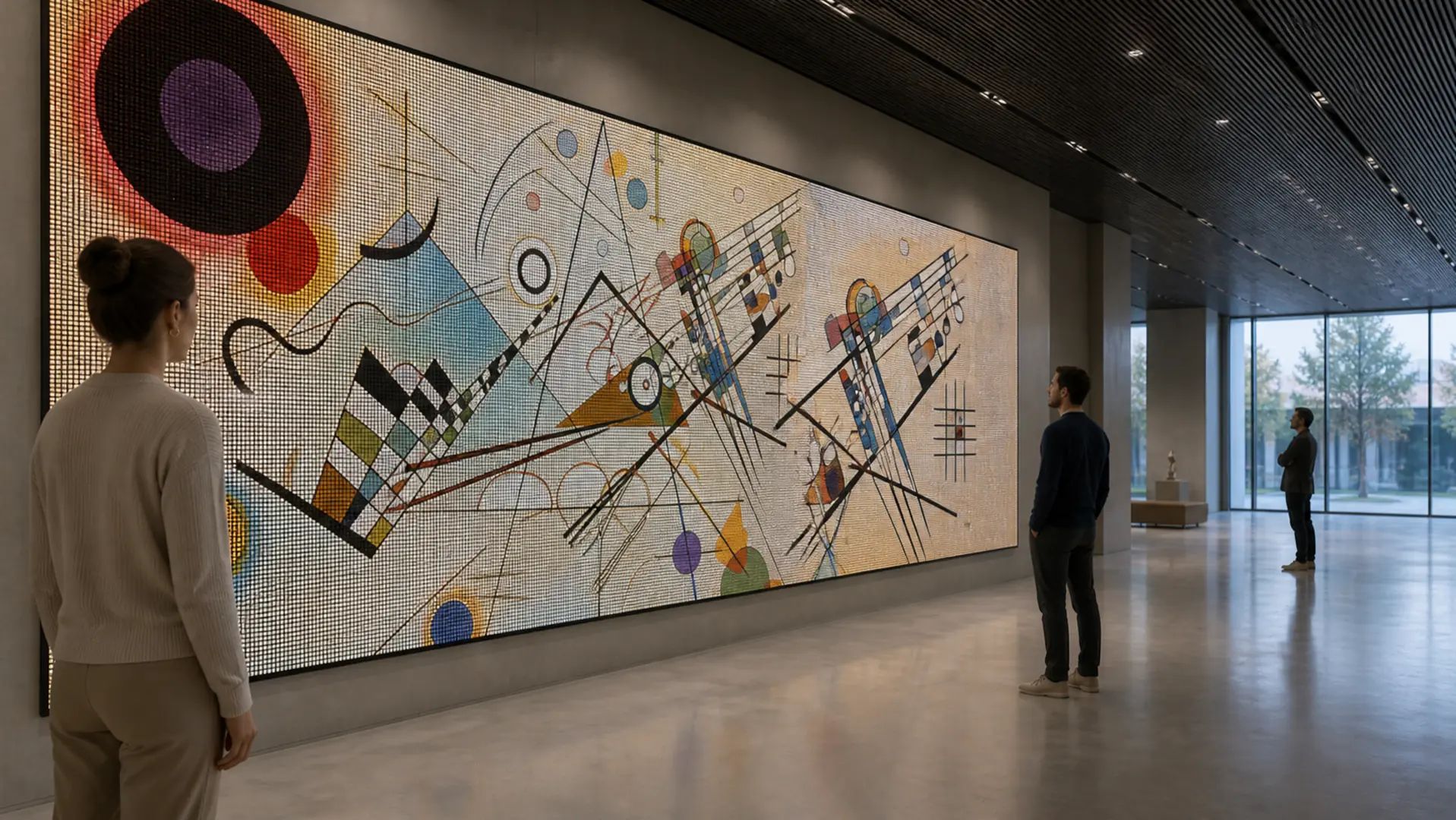
Indoor meeting rooms, retail spaces, museums, and lobbies often need fine-pitch solutions because viewers stand close to the screen. Outdoor billboards, stadium screens, and facade displays can use larger pitches because the audience is farther away.
A careful viewing-distance analysis prevents overspending on unnecessary resolution or, just as importantly, under-specifying a screen that will look pixelated up close.
Content Strategy and Resolution Needs
Detailed product images, small text, dashboards, broadcast content, and premium brand films need higher pixel density. Bold outdoor campaigns, large typography, and long-distance visuals can work successfully with different pitch values.
Content should be considered before the hardware decision is finalized.
A Balanced Technical Decision
Xeron evaluates pixel pitch together with cabinet size, brightness, installation distance, content type, budget, and maintenance expectations. This creates a display system that is technically correct and visually comfortable for its real environment